What is the laser divergence angle?|Daily Laser Knowledge
Laser divergence angle is one of the core parameters of a laser source.
It describes how much the laser beam spreads out after exiting the laser outlet.
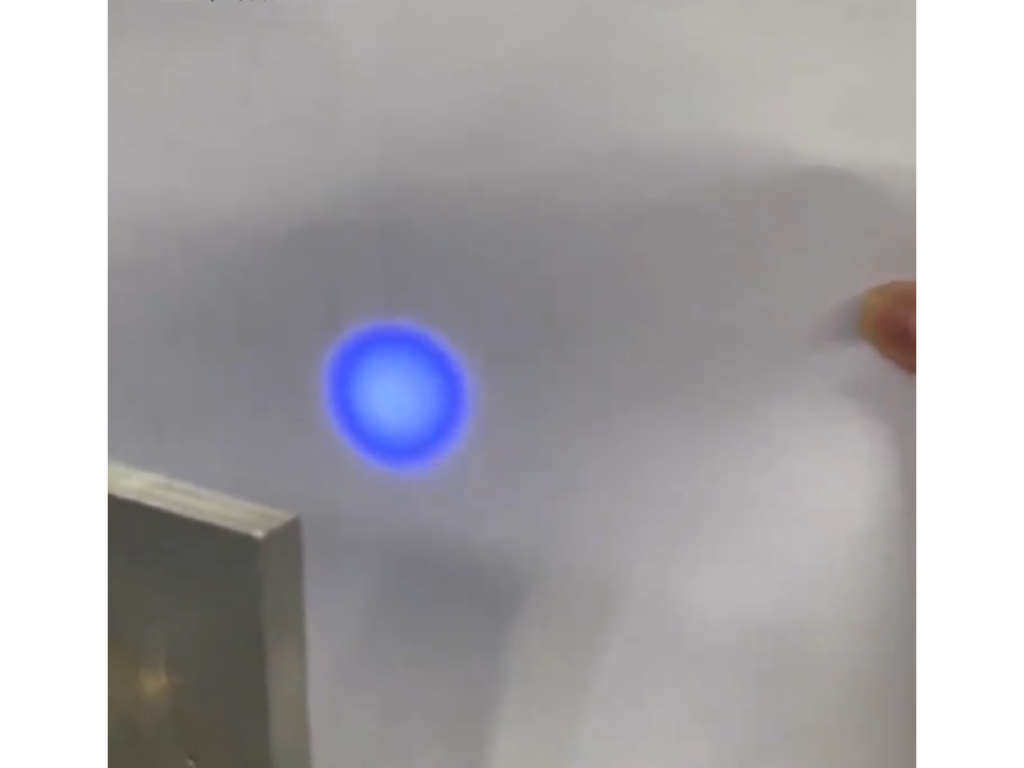
Just like a flashlight beam: the farther it travels, the larger the spot becomes. That spreading angle is the divergence angle.
A smaller divergence angle is not always better, nor is a larger one. The right value matters most.
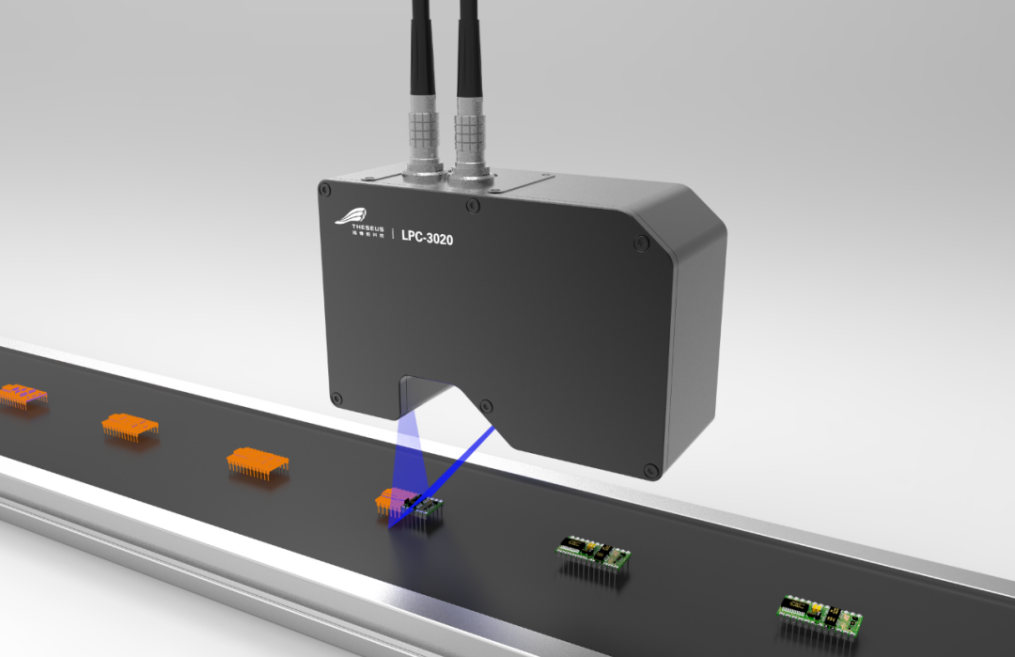
For vision‑inspection lasers: a small divergence angle is required. The spot remains compact over long distance to achieve precise distance measurement.
For 3D‑printing lasers:
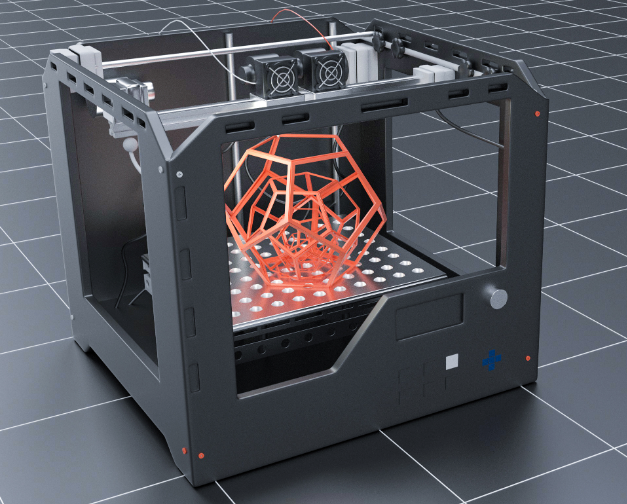
a moderately large divergence angle is needed. The light spreads properly to cover the working area for efficient photo‑curing.
For fiber laser cutting machine:
Too large divergence angle disperses beam energy. You will get poor cutting quality, burrs and cannot cut thick plates well.Too small divergence angle brings extremely high requirements for optical path adjustment.
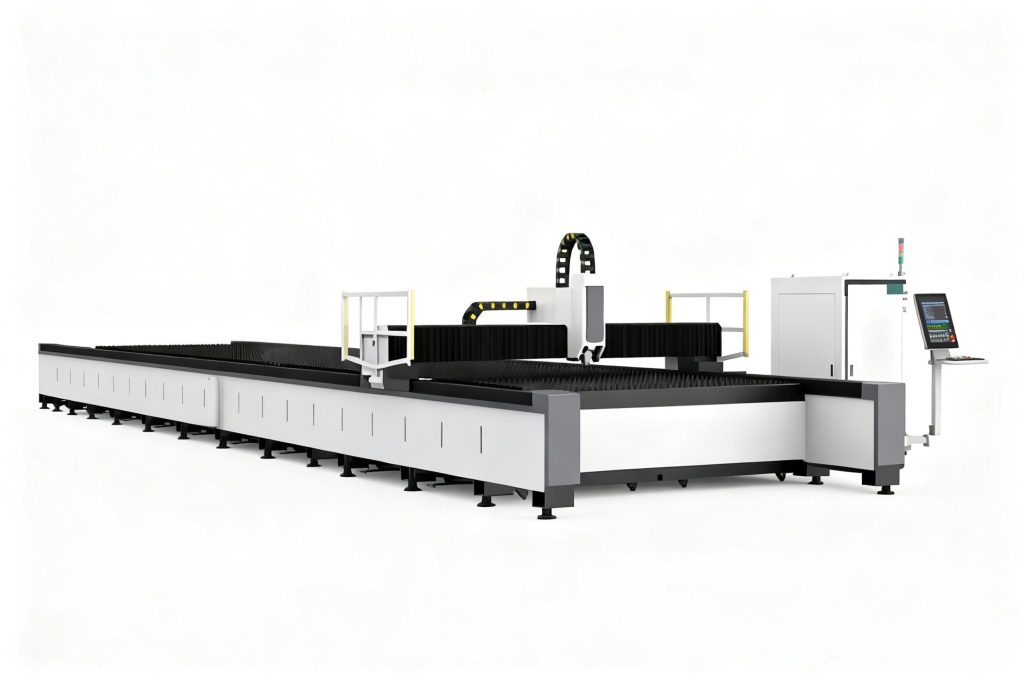
Industrial laser sources such as MAX and Raycus are factory‑calibrated at optimal divergence angle for metal cutting. It ensures concentrated focal energy, fast cutting speed and smooth cutting surface.