Yesterday, Unitree Technology officially launched its new manned mecha robot.
As soon as it debuted, it quickly went viral across the internet and topped China’s tech trending searches. Today, we’ll step away from the mainstream entertainment perspective and deliver a professional, in-depth and rational analysis from multiple dimensions — including product hardware, technical architecture, practical value, application scenarios and capital market performance.
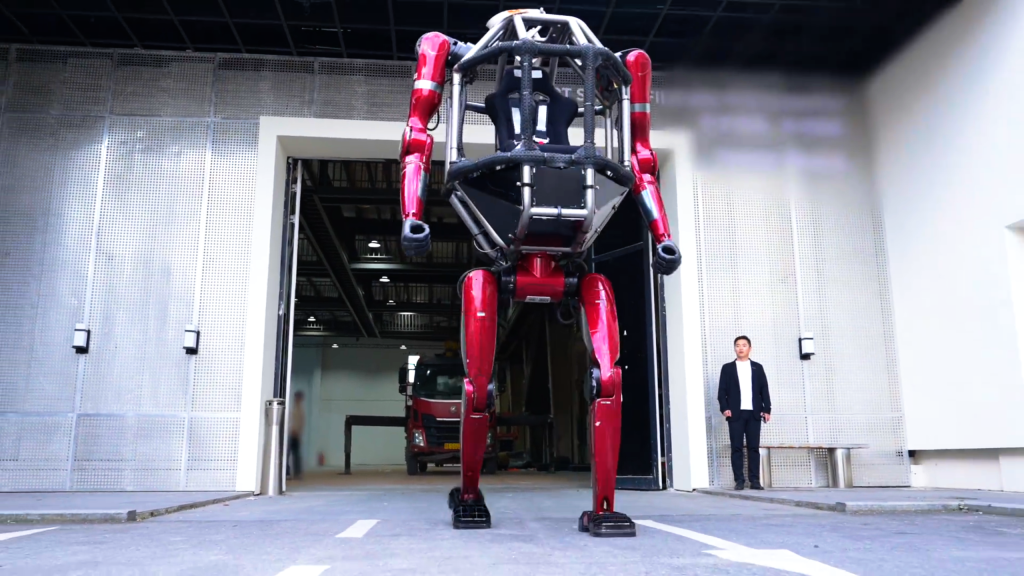
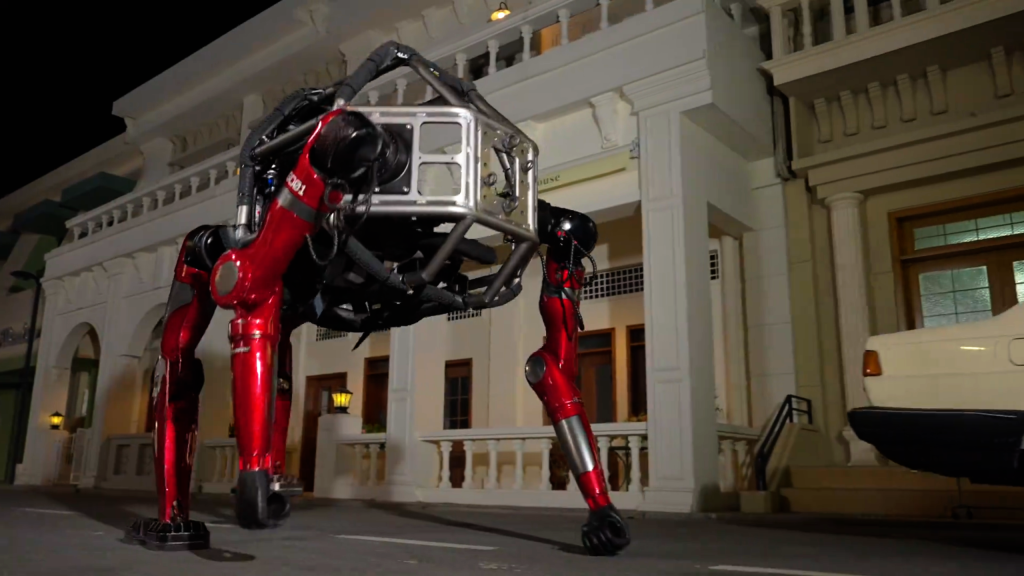
The world’s first mass-produced manned transformable mecha has made its grand debut. Standing at approximately 9.84 feet tall, the mecha has a full-load manned weight of 500 kilograms. Its body is precisely crafted from high-strength alloy, with a starting market price as high as 3.9 million RMB. Boasting stable and smooth autonomous walking capability, the mecha instantly captured public attention and sparked nationwide online discussions as soon as it was unveiled. Its biggest technological highlight lies in its original dual-form intelligent transformation design. It can seamlessly switch and freely transition between an upright humanoid mode and a quadruped crawling mode, easily adapting to all kinds of complex terrain and special passage environments. The whole machine adopts a fully electric drive architecture, completely abandoning traditional bulky hydraulic structures. Core key components including motors, reducers, main controllers, and LiDAR are all independently researched, developed and manufactured domestically. It fully demonstrates the solid technical strength of China’s high-end robotics industry.
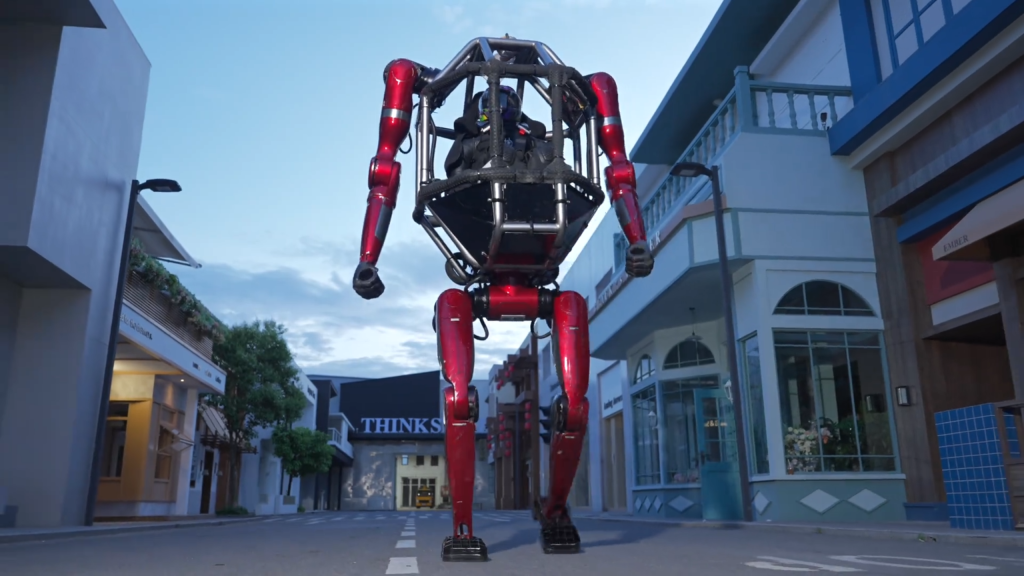
In terms of appearance, the whole machine adopts a minimalist and hardcore industrial style. The design is straightforward, rugged and practical. It even uses tires directly as the body collision protection structure, with no unnecessary decorative embellishments or redundant aesthetic packaging. Even priced at nearly 3.9 million RMB, its exterior remains plain and down-to-earth, giving off a confident aura of genuine strength that needs no deliberate polish. It requires no elaborate scenery setup or intentional marketing hype. Casual real-shot footage is enough to fully show its solid capability, with the confidence and potential to subvert the existing perception of the industry.
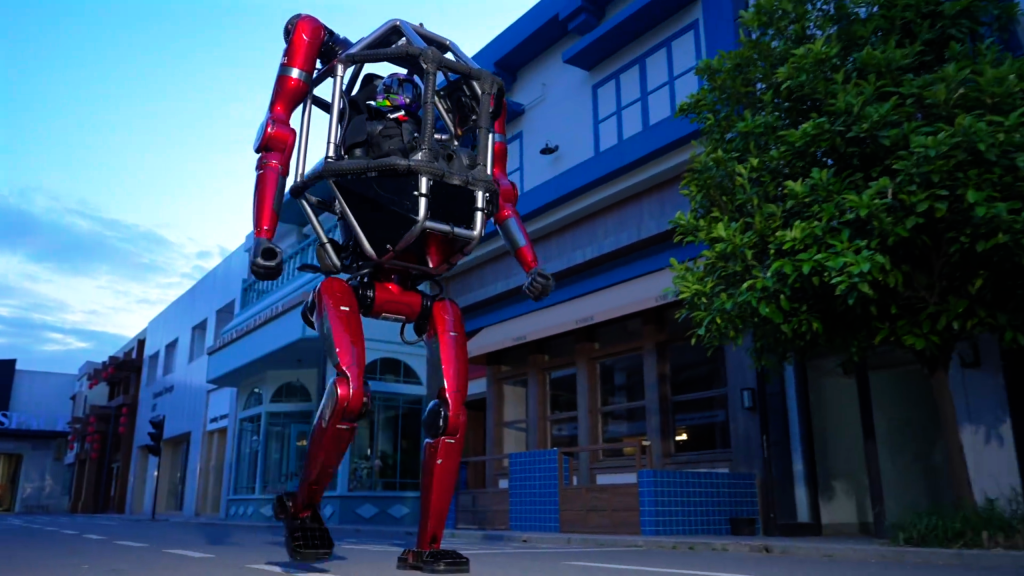
Many netizens couldn’t help feeling worried after seeing the manned mecha make its debut: once such equipment is put into military use, will it completely reshape the landscape of modern human warfare? From a rational and objective perspective, however, this possibility is extremely slim. At the current stage, the mecha’s strategic deterrence value far outweighs its actual combat capability. Its limb and joint structures are relatively fragile and cannot withstand artillery fire at all. Once its reducers or servo motors are damaged and stop working, the entire machine will immediately lose mobility and fall into paralysis. Many netizens use AI to imagine all kinds of sci‑fi combat scenarios. But from an engineering and practical standpoint, the mecha currently has little direct military battlefield value. It is much like when construction machinery such as excavators first appeared — people also overimagined and exaggerated their impact, yet they ultimately returned to their original role in civilian industry. Although the practical value of the mecha in direct combat is limited, its underlying industrial value should not be underestimated. It marks that China’s entire supply chain for humanoid robots, quadruped robots, and civilian drones has reached a highly mature level. This complete civilian industrial system possesses strong potential for conversion from civilian to military applications — and that is the real core strength behind the mecha.
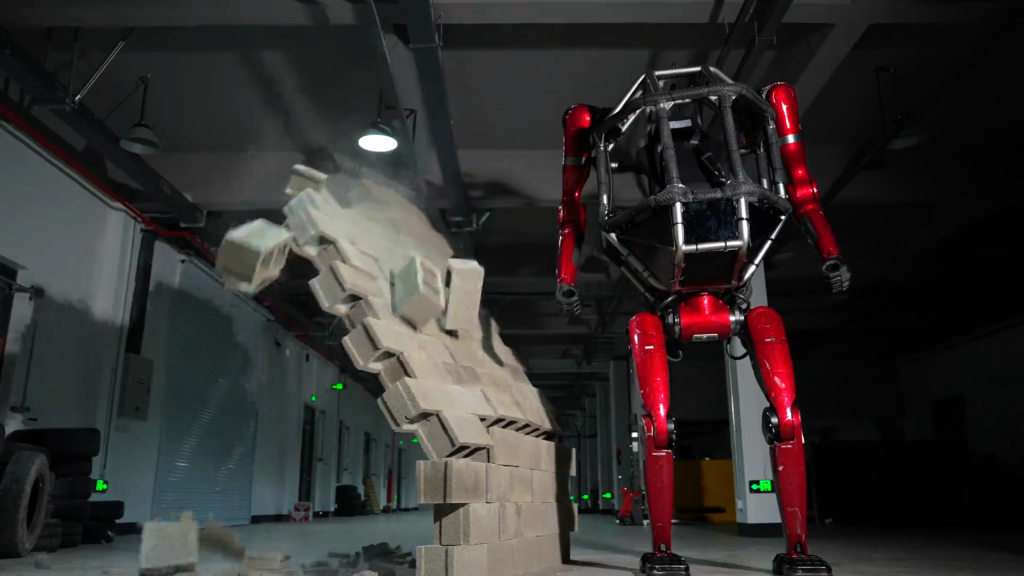
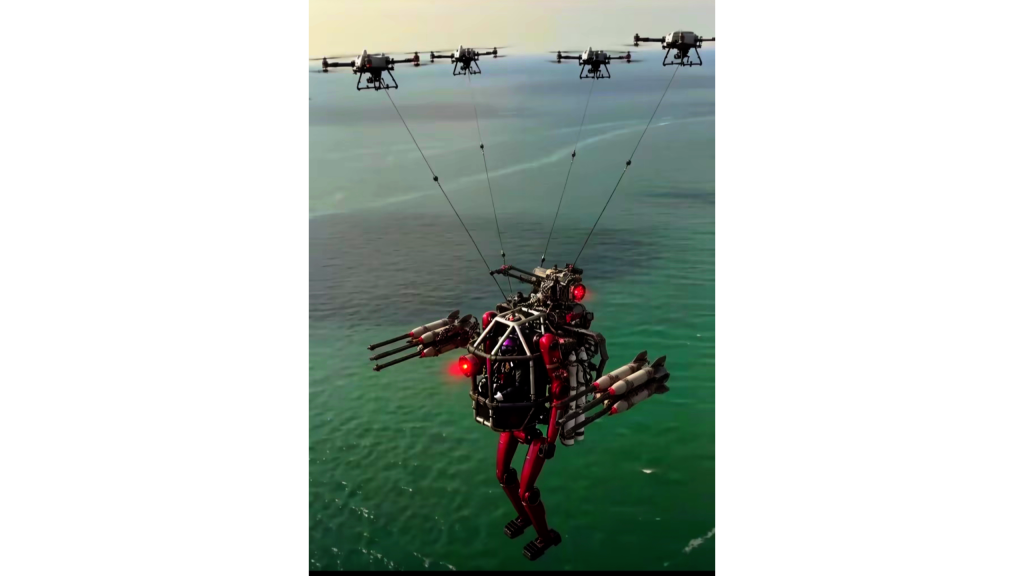
From the perspective of mechanical structure and energy efficiency, humanoid mechas inherently have inherent efficiency shortcomings. Traditional industrial robotic welding arms only require 6 sets of servo systems to perform high-precision operations. In contrast, humanoid mechas need far more servo units than ordinary industrial equipment. Merely maintaining the dynamic balance of standing and walking consumes a large amount of extra energy, greatly reducing overall energy utilization efficiency. For this very reason, the value of humanoid mechas does not lie in replacing ordinary assembly line industrial work. Instead, it lies in high-risk special scenarios that are inaccessible to humans. Whether in aerospace exploration fields such as deep space exploration and lunar base construction, or in emergency rescue sites including earthquake collapses, building fires and geological disasters, humanoid mechas can replicate the operational logic of human limbs. They can replace humans to carry out tasks in dangerous areas, minimize the risk of casualties, and protect people’s lives and property safety.
Welcome everyone to share your thoughts and join the discussion.
We will keep bringing you more hardcore industrial content.
Zoryor, Your Reliable Partner.